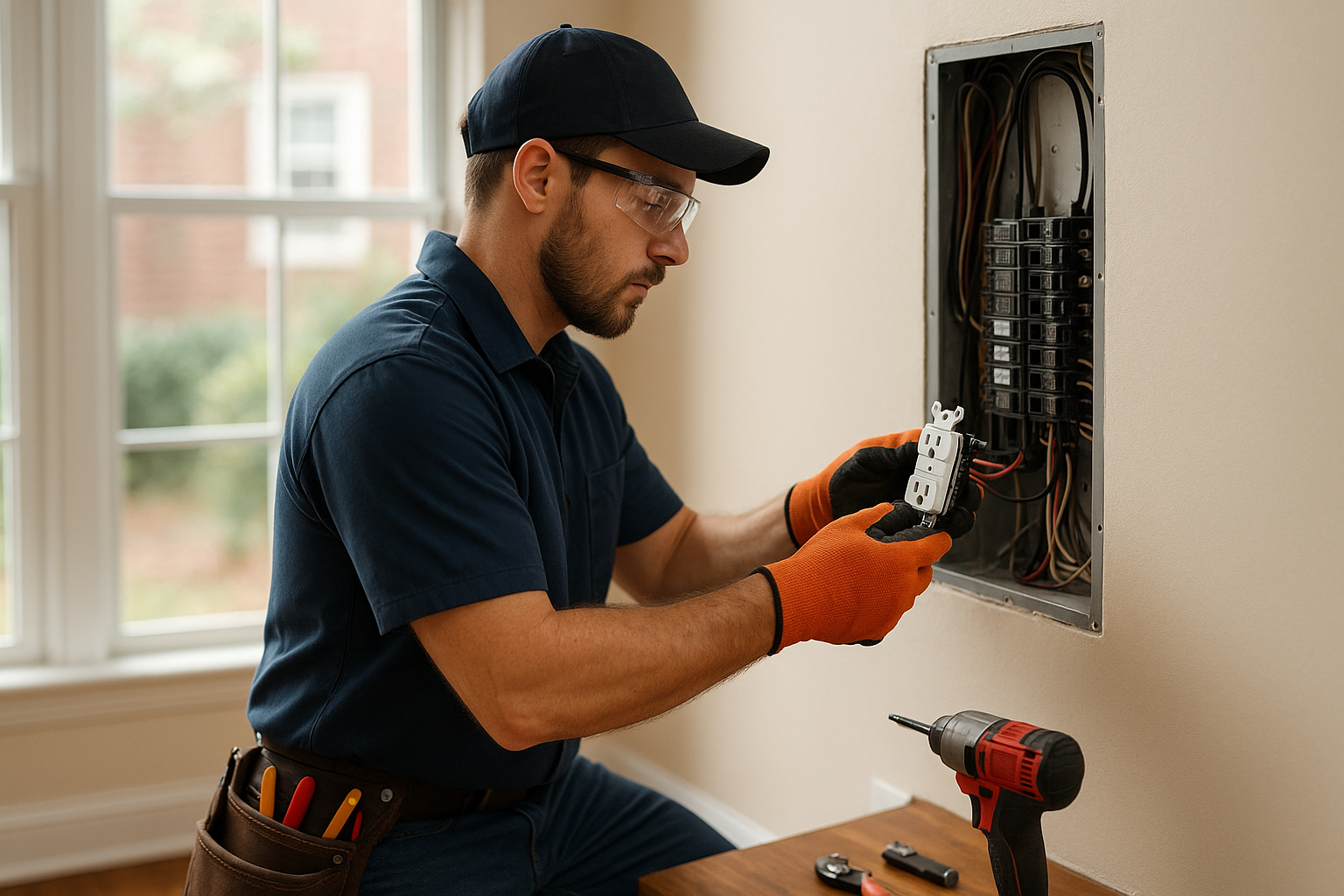
What Causes Flickering Lights in Forest Hills Augusta Homes
Flickering lights in Forest Hills Augusta homes typically stem from loose electrical connections, overloaded circuits, or voltage fluctuations. While some causes are minor, persistent flickering often indicates serious electrical issues requiring professional attention to prevent potential fire hazards or system damage.
Common Electrical Issues Behind Flickering Lights
Several electrical problems can cause lights to flicker throughout your home. Understanding these issues helps you determine when to call a professional electrician versus when you might handle simple fixes yourself.
Loose Wire Connections
Loose connections at light switches, outlets, or electrical panels frequently cause flickering lights Forest Hills Augusta residents experience. These connections can loosen over time due to thermal expansion and contraction, especially in Augusta's hot, humid climate where temperature fluctuations are common.
Overloaded Electrical Circuits
When too many appliances draw power from the same circuit, voltage drops can cause lights to dim or flicker. This is particularly noticeable when high-power appliances like air conditioners or space heaters cycle on, which happens frequently during Augusta's sweltering summers with temperatures reaching 92°F.
Faulty Light Fixtures and Bulbs
Sometimes the issue isn't with your home's wiring but with the fixtures themselves. Incompatible dimmer switches, loose bulbs, or aging fixtures can all contribute to flickering. LED bulbs may flicker if they're not compatible with older dimmer switches commonly found in Forest Hills homes.
Weather-Related Electrical Problems
Augusta's climate creates unique challenges for electrical systems. The area's frequent afternoon thunderstorms can cause power surges and temporary outages that stress your electrical system. High humidity year-round increases the risk of moisture-related issues in crawl spaces and basements, potentially affecting wiring connections.
During winter months, while freezing temperatures rarely affect electrical systems directly, the transition between heating and cooling seasons can reveal underlying electrical problems as different appliances cycle on and off.
When Flickering Lights Signal Serious Problems
Not all flickering lights indicate minor issues. Certain patterns suggest more serious electrical problems that require immediate professional attention:
- Lights flickering throughout multiple rooms simultaneously
- Flickering accompanied by burning smells or warm outlets
- Lights that dim significantly when appliances start
- Frequent circuit breaker trips along with flickering
- Sparking at switches or outlets
Electrical Panel Issues
Older homes in neighborhoods like Hill Acres and Summerville may have outdated electrical panels that struggle to meet modern power demands. Flickering lights combined with frequent breaker trips often indicate your panel needs upgrading to handle your home's electrical load safely.
Professional Solutions for Flickering Lights
While homeowners can check for loose bulbs or try different switches, most flickering light issues require professional diagnosis and repair. Licensed electricians have the tools and expertise to safely identify problems within your electrical system.
Professional electricians can perform comprehensive electrical inspections, tighten loose connections, upgrade outdated wiring, and ensure your electrical system meets current safety codes. They can also recommend energy-efficient solutions that work well in Augusta's climate.
Preventing Future Electrical Issues
Regular electrical maintenance helps prevent many problems that cause flickering lights. Having your electrical system inspected every few years, especially in homes over 20 years old, can identify potential issues before they become serious problems.
Consider upgrading to LED lighting with compatible dimmer switches, and avoid overloading circuits by distributing high-power appliances across different circuits. During Augusta's storm season, surge protectors can help protect your electrical system from power fluctuations.
If you're experiencing persistent flickering lights in your Forest Hills Augusta home, don't ignore the warning signs. Contact qualified local electricians who understand the unique challenges of Augusta's climate and can provide reliable solutions to keep your electrical system safe and functional.
Frequently Asked Questions
- Are flickering lights always dangerous?
- Not always, but persistent flickering often indicates loose connections or overloaded circuits that can create fire hazards and should be professionally inspected.
- Why do my lights flicker only when appliances turn on?
- This typically indicates voltage drops from overloaded circuits or inadequate electrical panel capacity for your home's power demands.
- Can Augusta's humid weather cause flickering lights?
- Yes, high humidity can cause moisture-related electrical issues in crawl spaces and basements, potentially affecting wire connections and causing flickering.
- Should I replace flickering LED bulbs myself?
- You can try replacing bulbs and checking compatibility with dimmer switches, but persistent flickering usually requires professional electrical diagnosis.
- How often should I have my electrical system inspected?
- Electrical systems should be professionally inspected every 3-5 years, or more frequently in homes over 20 years old or after severe storms.
About the author: David Whitaker, Editorial Lead, Premier Augusta Electrician. David has spent over a decade researching electrical systems and safety practices, helping Augusta homeowners understand complex wiring projects and code requirements. His background in technical writing and consumer advocacy has made him a trusted voice for navigating electrical installations and repairs. David is passionate about connecting residents with qualified local electricians who prioritize safety and quality workmanship.
More electrician guides for Augusta
Need electrician help in Augusta?
Get matched with a vetted local pro — free, no obligation.